Wool is a natural, renewable fiber widely valued for its strength, softness, and sustainability. Sourced from sheep and other animals like goats (cashmere, mohair) and muskoxen (qiviut), wool has been trusted for generations in the world of textiles.
For rugs, wool is an exceptional choice. It offers excellent durability, resists crushing, and maintains its appearance over time — even in high-traffic areas. Its natural stain and water resistance make it easy to maintain, while its thermal insulation adds warmth and comfort underfoot. Wool is also naturally flame-retardant, adding a layer of safety to your space.
At Ramsha Carpets, we select only the finest quality wool to ensure every rug reflects timeless elegance, long-lasting performance, and responsible craftsmanship. Choosing wool means choosing a luxurious, eco-conscious material that enhances both style and functionality in any interior.
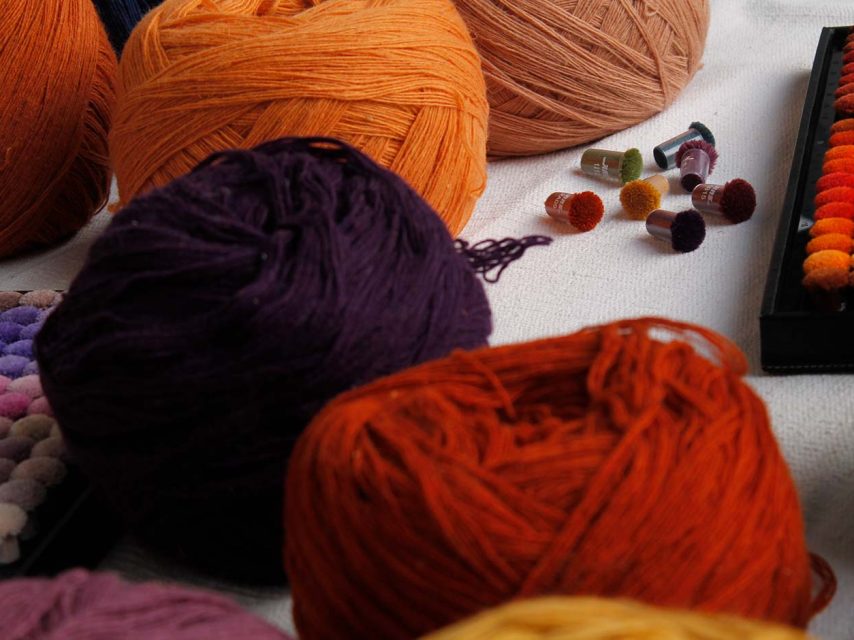
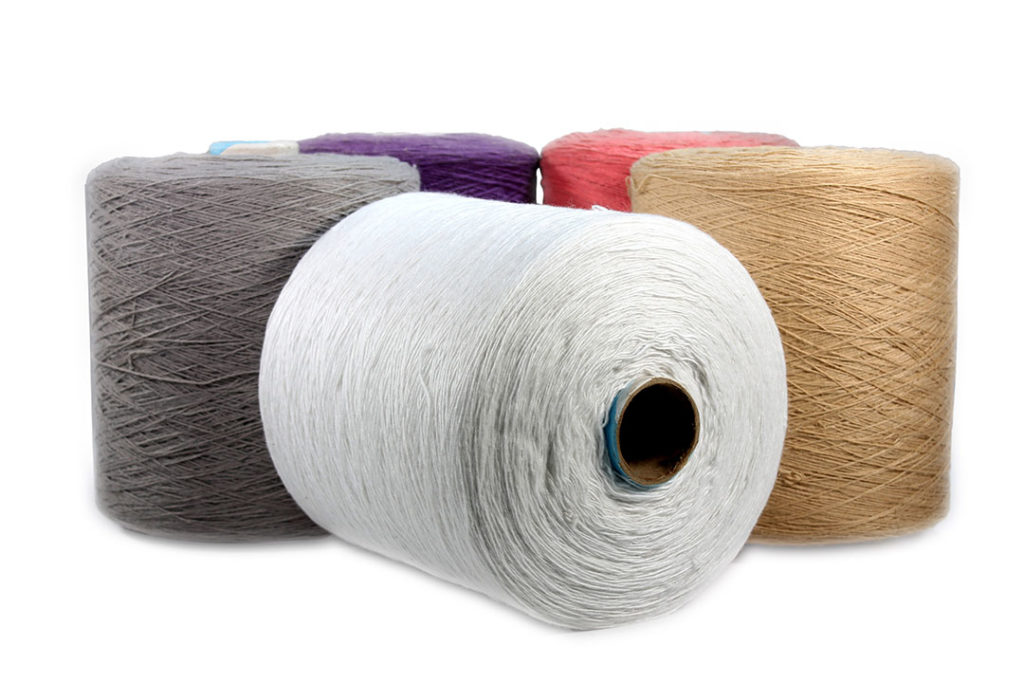
There Are Many Many Reasons You Will Find Wool Fabric As One Of The Most Coveted And Expensive Fabrics In Any Fabric Shop You Go -Like Its Softness, Durability, Comfort, Warmth, Luxurious Looks. You Can Check Out More About The Properties Of Wool Here. Basically, Wool Fabrics Are Categorized As Woolen Fabrics And Worsted Fabrics Depending On The Length Of The Fibers That Make Up Their Yarn. Short Fibers Make Woolen Fabrics And Hence They Have A Tufted Fuzzy Surface Texture. They Are Heavy Thick And Bulky And Are Less Expensive Than Worsted Fabrics Which Are Made With Tightly Twisted Longer Yarns. Worsted Fabrics Have A Hard, Smooth Surface With A Special Subtle Luster. Woolen Fabrics Can Be Plain Weave Woolens Or Wool Knits. For Yet Another General Categorization If You Hear Carpet Wool, As The Name Suggests It Is Suitable Only For Making Carpets. The Fibers Are Long And Coarse. Apparel Wool Is The Fine Wool That Makes Garments. More Categorizations Of Wool Fabrics Are Done According To The Animal, Type Of Weaves.
Wool is the most commonly used natural fiber in carpeting. While synthetic fibers comprise the vast majority of the carpet fiber market, wool has its own niche in the marketplace and continues to be a sought-after fiber option. Natural fibers such as wool have several key differences from synthetics.
Wool is a great natural fiber that is very resilient to wear and tear and general soiling. You can get it in pure 100% or in 80% blends with nylon and polypropylene to improve its wear properties. For areas with a lot of footfall (and therefore areas prone to soiling) a wool mix blend, is ideal.
Carpet weaving is not only an art, but a lifeline for countless workers across generations. Each knot, each pattern, and each vibrant design tells a story of patience, skill, and tradition. Weaving a better future means more than preserving an age-old tradition—it means empowering the weavers who keep it alive. It means fair wages that reflect their talent, safe working conditions that honor their dignity, and recognition that places artisans at the heart of the industry. When we invest in the weaver as much as the woven, we do more than protect a craft; we create pathways of hope, opportunity, and respect for the hands that turn simple threads into timeless treasures.
Weavers often belonged to communities that specialize in weaving and their skills were passed on from one generation to the next. The tanti weavers of Bengal, the julahas or momin weavers of north India, sale and kaikolar, and devangs of south India are some of the communities famous for weaving. Weaving is the basis of making many types of cloth. Depending on the material and its weight as to what type of cloth can be made and what it would be best suited for. Other methods exist to make cloth; such as knitting, and felting. These all have their strength and weaknesses. Weaving is a method of textile production in which two distinct sets of yarns or threads are interlaced at right angles to form a fabric or cloth. Other methods are knitting, crocheting, felting, and braiding or plaiting. The longitudinal threads are called the warp and the lateral threads are the weft or filling. The way the warp and filling threads interlace with each other is called the weave. The majority of woven products are created with one of three basic weaves: plain weave, satin weave, or twill. Woven cloth can be plain (in one color or a simple pattern), or can be woven in decorative or artistic designs. Who were Weaver? weaver. A person who makes fabric by weaving fiber together is a weaver. Most weavers use a loom, a device that holds the threads tightly as they’re being woven. A craft weaver works by hand, weaving without a loom, but most weavers use either a handloom or a power loom. The most important reason is found in the economic contribution of weaving. Weaving provided, for both Aztec women and contemporary Mayan women, their most important link to the larger economy. Tribute was paid in cloth and it was also a common market currency. weaver. A person who makes fabric by weaving fiber together is a weaver. Most weavers use a loom, a device that holds the threads tightly as they’re being woven. A craft weaver works by hand, weaving without a loom, but most weavers use either a handloom or a power loom. Weaving is the action of producing fabric by interlacing warp and weft yarns at right angles to each other. This action can be produced on a frame, handloom, or automatic loom. The handloom has been around for many years and with significant development in 1733 when John Kay developed and patented the ‘Flying Shuttle’.
